Payment Networks Embedding Within Tiered Loyalty Frameworks for Virtual Table Games and Athletic Projections
Jakob Butler · Oct 19, 2026
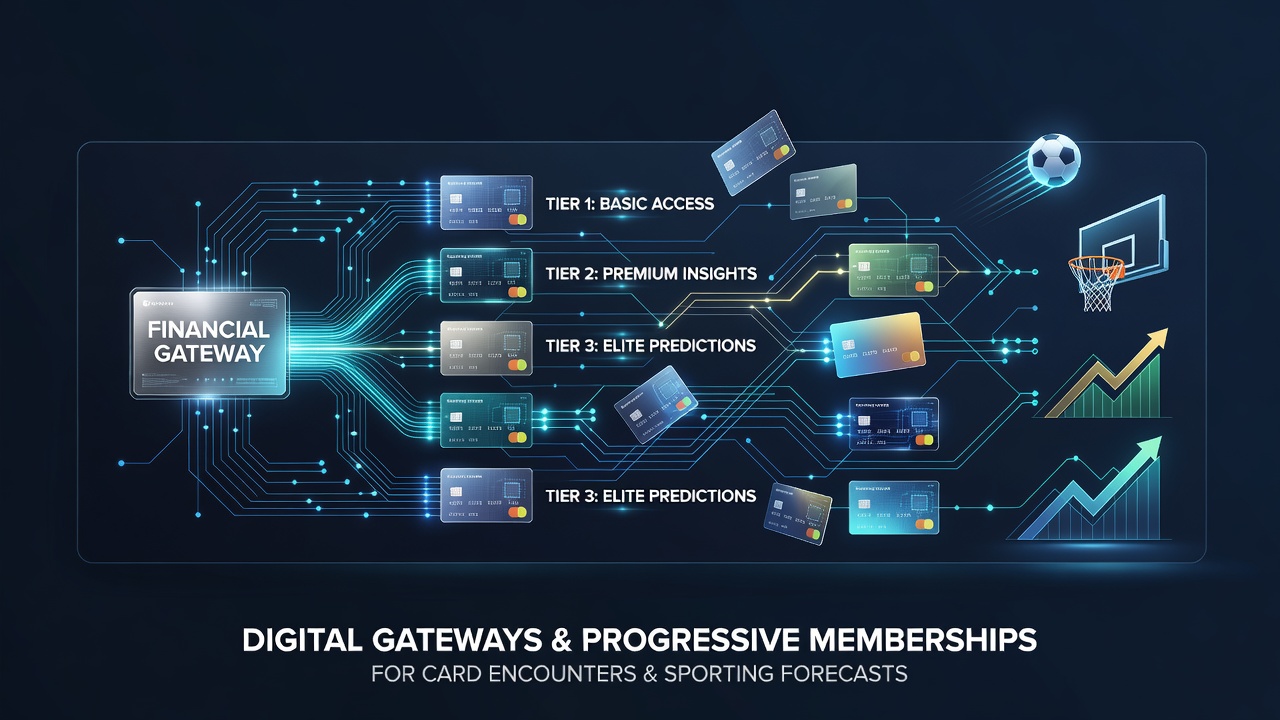
Payment Networks Embedding Within Tiered Loyalty Frameworks for Virtual Table Games and Athletic Projections
Payment networks now link directly to progressive membership structures that govern access and benefits in digital card encounters alongside sporting forecasts, creating unified systems where transaction capabilities scale with user status levels, according to industry analyses from the European Gaming and Betting Association. These frameworks allow operators to deliver customized deposit speeds, withdrawal limits, and fee structures that align with each tier, from entry-level accounts to premium segments where members gain priority processing through specialized gateways.
Operators track participation metrics across card tables and prediction markets to adjust gateway permissions automatically, so a member advancing from basic to intermediate status receives expanded options for instant transfers during live sessions. Research from the University of Nevada Reno Gaming Research Center shows that such integrations reduce transaction failures by coordinating payment rails with loyalty algorithms, ensuring seamless movement between virtual blackjack rounds and football outcome wagers without separate verification steps.
Core Mechanics of Integrated Gateway and Tier Systems
Progressive membership programs assign distinct financial privileges at each stage, where higher tiers unlock direct connections to faster processors that handle both casino-style card draws and real-time sports line movements. This setup operates through API linkages that update user profiles in real time, granting elevated withdrawal ceilings once activity thresholds in either domain get met. Observers note that these connections rely on encrypted channels which maintain compliance records while permitting members to switch between digital card encounters and sporting forecasts without re-entering banking details.
Data collected across multiple platforms indicates that members in advanced tiers experience average processing times shortened by coordinated gateway routing, particularly when combining blackjack session credits with accumulated bets on upcoming matches. The structure also incorporates spending pattern analysis to recommend tier upgrades that include dedicated support lines for payment queries tied to either activity type.
October 2026 Platform Updates and Their Effects
During October 2026 several major operators rolled out enhanced gateway protocols that further synchronized membership tiers with cross-category play, allowing seamless fund transfers between card game balances and sports prediction accounts. These updates introduced tier-specific tools such as automated limit adjustments that activate upon reaching combined activity milestones, whether from successive wins at virtual poker tables or accurate forecasts in league competitions. Reports from the Nevada Gaming Control Board documented increased transaction volumes following these changes, with elevated-tier users showing higher engagement across both segments.

Platform dashboards now display unified progress bars that factor contributions from digital card encounters and sporting forecasts alike, accelerating advancement to gateways offering reduced fees or extended credit facilities. Those who studied these implementations found that the October 2026 modifications improved retention rates by providing clearer pathways from standard payment options to premium ones reserved for sustained participation.
Security and Compliance Layers Within Membership Gateways
Security protocols embedded in these financial gateways scale according to membership level, with advanced tiers receiving additional authentication layers that still permit rapid execution of transfers for card game stakes or sports wagers. Compliance monitoring occurs through shared databases that flag irregularities across both activity streams, ensuring that progression through membership structures remains tied to verified transaction histories. Industry organizations emphasize that such layered security maintains operational integrity while supporting the volume demands of hybrid gaming environments.
One documented case involved a platform that adjusted gateway permissions after members accumulated points from both dealer table sessions and prediction markets, resulting in streamlined approval processes that preserved regulatory standards across jurisdictions. These measures rely on continuous data exchange between loyalty engines and payment processors to prevent unauthorized escalations in tier status.
Future Directions for Combined Financial and Loyalty Architectures
Developments continue to focus on expanding gateway compatibility with emerging membership models that reward combined activity in digital card encounters and sporting forecasts through accelerated tier benefits. Analysts project further refinements in algorithmic matching of payment options to individual usage patterns, potentially incorporating predictive elements that anticipate member needs based on historical engagement across both categories. External reports highlight ongoing collaborations between technology providers and gaming operators to refine these integrations for broader market application.
Conclusion
The integration of financial gateways into progressive membership structures demonstrates measurable impacts on transaction efficiency and user progression across digital card encounters and sporting forecasts. Evidence from regulatory filings and academic reviews confirms that tiered systems enhance operational coordination when payment capabilities advance in tandem with loyalty status. Continued evolution in October 2026 and beyond points toward more refined linkages that sustain compliance while accommodating diverse participation styles in virtual gaming and betting landscapes.