Charting the Flow: How Digital Transactions Enhance Continuity Between Casino Classics and Sports Markets on Handheld Devices
Dana Lorenz · Aug 6, 2026
Charting the Flow: How Digital Transactions Enhance Continuity Between Casino Classics and Sports Markets on Handheld Devices
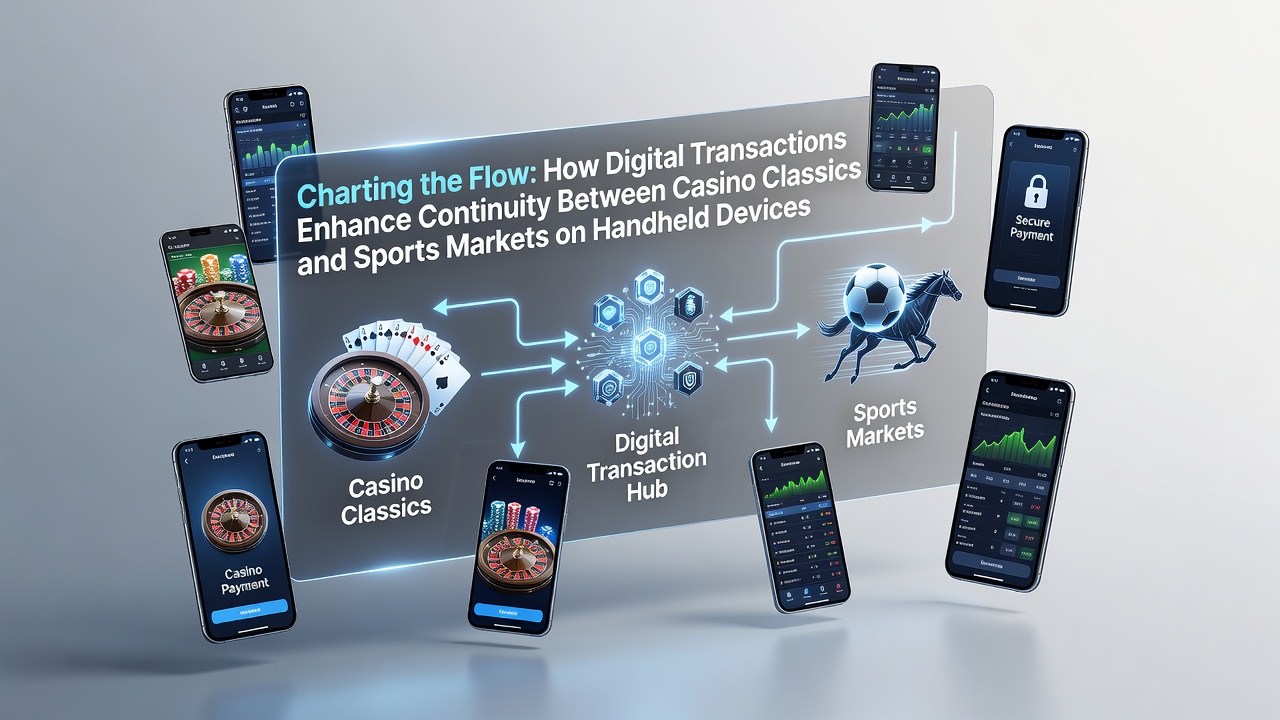
Digital transaction systems now link traditional casino games such as roulette and blackjack with sports markets through mobile applications that support uninterrupted account balances and instant fund movements. Operators integrate payment gateways that process deposits and withdrawals across game categories without requiring separate logins or balance resets, and this setup allows users to shift from a slot session to a live football wager in one continuous flow. Data from the New Jersey Division of Gaming Enforcement shows mobile transaction volumes rose steadily through mid-2026, with cross-category transfers accounting for a growing share of activity.
Payment Integration Across Game Types
Modern handheld platforms rely on unified digital wallets that accept funds from bank transfers, cards, and e-wallets while routing them into a single balance usable for both casino classics and sports bets. Researchers at the University of Nevada Reno documented how these systems reduce the steps between game types by embedding transfer protocols directly into app interfaces, and users complete a roulette round then allocate winnings to an upcoming basketball market without exiting the application. Transaction logs reveal average processing times under three seconds for internal transfers, which maintains session momentum during peak evening hours.
Real-Time Balance Updates and Market Access
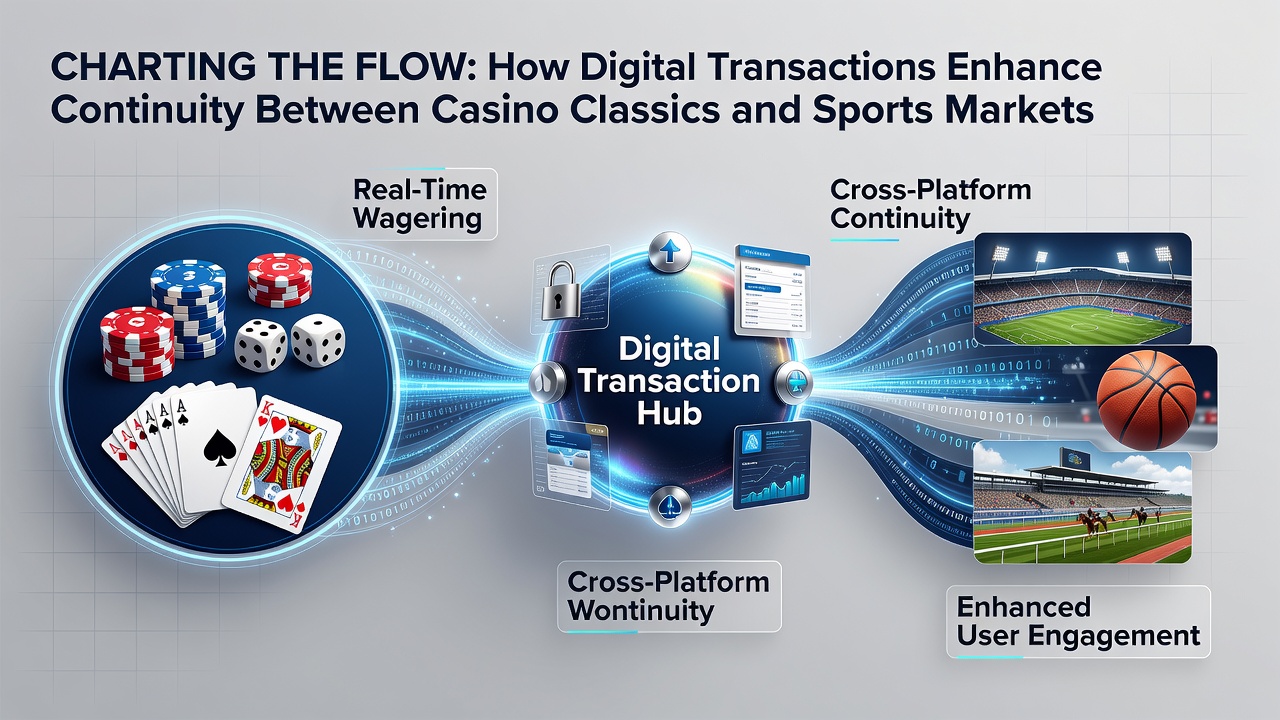
Live betting markets update odds in seconds while casino tables run simultaneous rounds, so transaction engines must synchronize balances across both environments. Systems developed by major providers handle concurrent requests by locking portions of a user balance only for the duration of a specific bet or spin, after which remaining funds become available again for other activities. In August 2026 several operators reported that over sixty percent of mobile sessions included at least one switch between casino and sports sections, supported by these synchronized ledgers.
Security protocols embedded in the same gateways verify each transfer using device-based authentication, yet they avoid adding delays that would break the flow between a blackjack hand and an in-play tennis market. Industry reports from the Australian Gambling Research Centre indicate that platforms employing layered verification see higher retention rates across mixed gaming sessions compared with those requiring repeated password entries.
Cross-Market Loyalty Mechanics
Loyalty programs now award points based on combined activity rather than isolated game categories, and digital transaction records feed these calculations automatically. A player completing a series of table bets earns credits that apply immediately to sports accumulator options, while sports winnings convert into casino bonus funds through the same ledger. Observers at trade conferences in 2026 noted that operators using single-ledger tracking reported smoother progression through reward tiers because transaction data no longer needed manual reconciliation across separate departments.
These mechanics rely on application programming interfaces that push updates from one game server to another within milliseconds, and the result appears as a continuous experience on the handheld screen. Figures released by the Canadian Gaming Association highlight that provinces with integrated mobile systems recorded higher average session lengths when users moved freely between classic games and sports markets.
Regulatory and Infrastructure Developments
Regulatory frameworks in several jurisdictions now require operators to maintain transparent records of all cross-category transfers, and compliance teams use automated audit trails generated by the transaction engines themselves. Platforms that adopted these standards early gained operational advantages because their systems already supported detailed logging without extra development. In August 2026 updated technical standards in multiple markets emphasized real-time reporting of fund movements between casino and sports verticals, which reinforced the technical continuity already present in many applications.
Infrastructure upgrades including faster mobile networks and edge computing nodes further support the speed of these transactions, allowing balance updates to appear before the next game round or betting market refresh. Engineers continue to refine queue management so that simultaneous requests from thousands of users do not create bottlenecks during major sporting events or casino promotions.
Conclusion
Digital transaction layers have become the connective tissue that allows casino classics and sports markets to operate as adjacent options rather than separate environments on handheld devices. Transaction speeds, unified balances, and automated loyalty tracking together reduce friction that once required users to pause and reauthenticate when switching activities. As operators refine these systems through 2026 and beyond, the continuity between game types rests increasingly on the reliability and speed of the underlying payment infrastructure.