Biometric Synchronization in Mobile Gaming Networks: Fingerprint Scans Aligning Slot Rewards With Live Dealer Access and Accumulator Enhancements
Dana Lorenz · Aug 13, 2026
Biometric Synchronization in Mobile Gaming Networks: Fingerprint Scans Aligning Slot Rewards With Live Dealer Access and Accumulator Enhancements
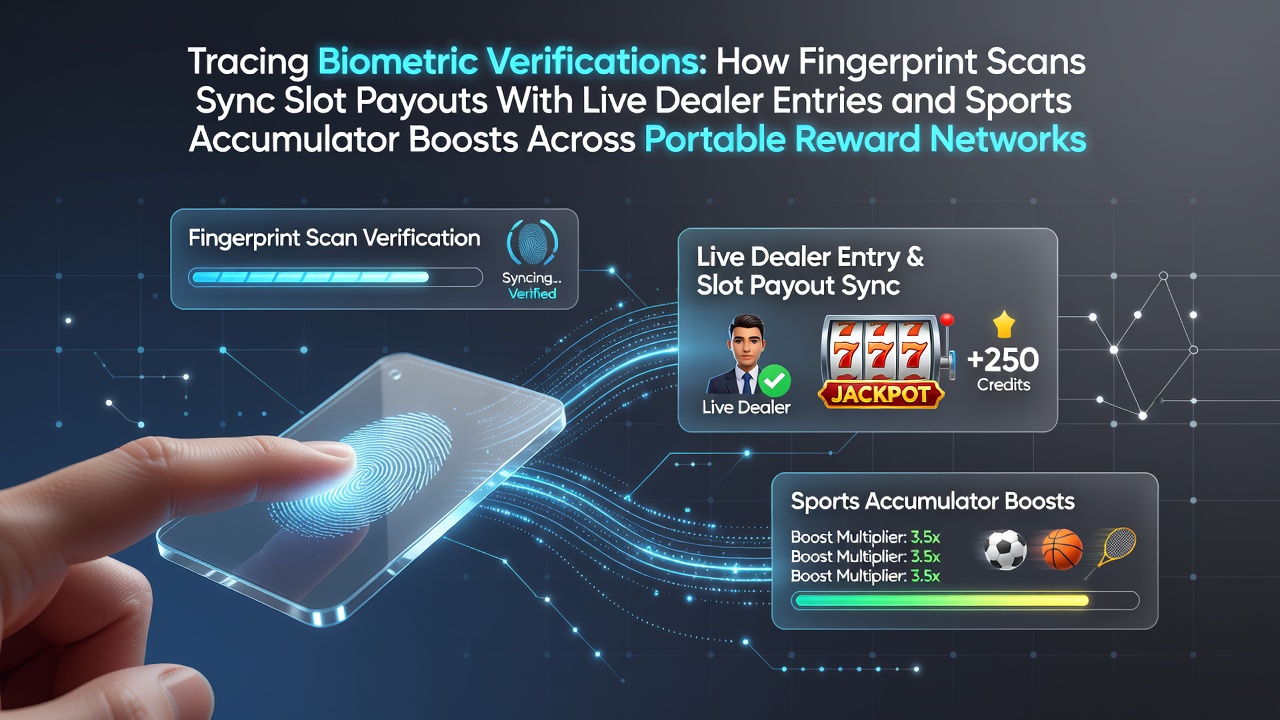
Biometric verification systems have expanded across portable reward networks since the mid-2020s, with fingerprint scans serving as the primary method to confirm user identity and trigger automated transfers between different gaming modules. These systems record each scan as a timestamped event that links a slot machine payout directly to an account balance available for live dealer table entry or sports accumulator adjustments. Data compiled by industry observers in August 2026 showed increased adoption rates in networks operating across multiple jurisdictions, where the same fingerprint credential handles verification for all three categories without requiring separate logins.
Core Mechanics of Fingerprint Integration
Portable devices transmit fingerprint data through encrypted channels to central servers that match the scan against stored templates before releasing funds or granting access. Once matched, the system routes slot winnings into a unified wallet that live dealer platforms and sports betting modules can draw from immediately. Observers note that this process reduces the steps between winning on slots and placing an accumulator bet, because the verified balance appears across interfaces without manual transfers. Research from academic sources indicates template storage occurs on secure hardware rather than in plain databases, which limits exposure during routine network operations.
Slot Payout Routing Through Biometric Gates
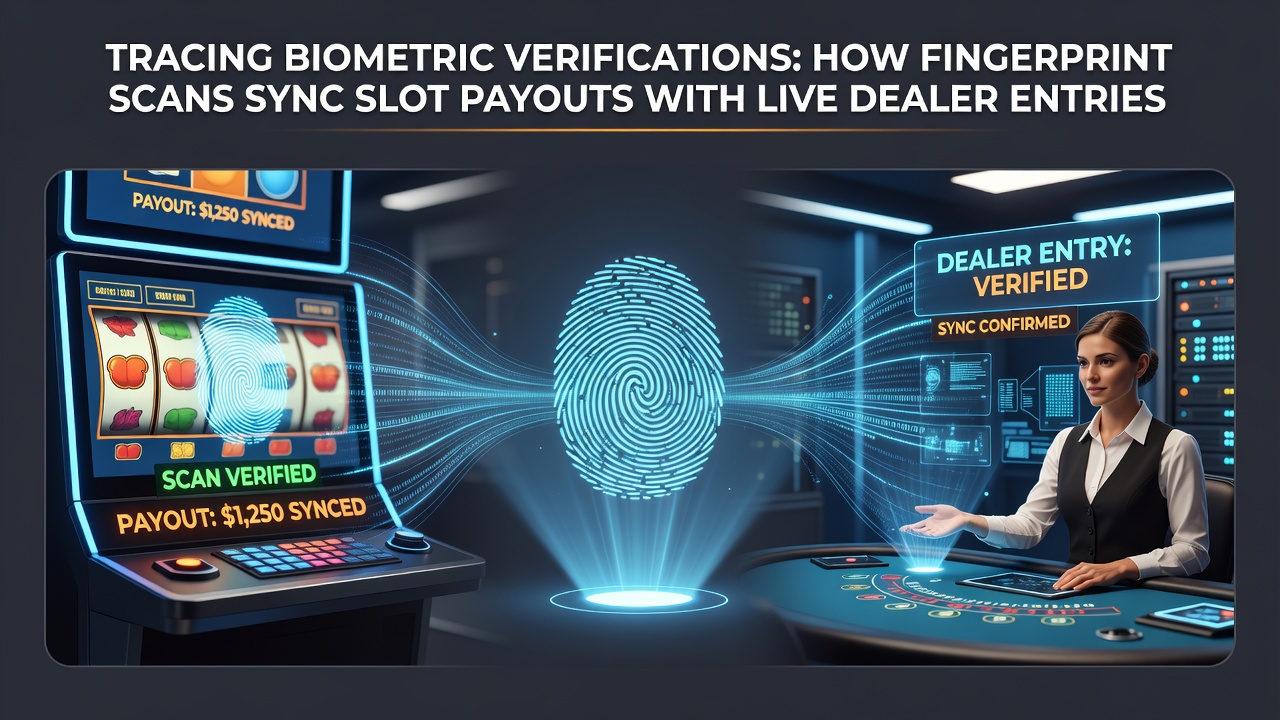
Slot outcomes generate credits that the fingerprint scan then authorizes for movement into the shared reward pool. The scan acts as the trigger that confirms the player owns the payout and permits its use in other sections of the network. Case studies from platform operators reveal that sessions involving repeated fingerprint checks maintain consistent payout flow rates, because each verification resets the session timer and updates the visible balance across connected modules. Those who monitor transaction logs report that the average time from slot result to available funds for live dealer play drops when biometric gates replace traditional password entry.
Live Dealer Entry and Accumulator Boost Linkage
Live dealer tables require an active verified balance before seating a player, and the same fingerprint credential that cleared the slot payout also satisfies this entry condition. Sports accumulator boosts operate on a parallel track where verified winnings from earlier plays can increase stake multipliers or add bonus legs without separate approval steps. In August 2026 several networks introduced firmware updates that allowed a single scan to pre-authorize both dealer table credits and accumulator adjustments simultaneously. Figures from regulatory bodies in other regions show these combined pathways handle higher transaction volumes during peak evening hours compared with older segmented systems.
Portable Network Architecture Supporting Cross-Module Sync
Portable reward networks rely on cloud-based ledgers that update in real time once a fingerprint match occurs. Each ledger entry carries metadata identifying the originating module, whether slots, live dealer, or sports betting, which enables downstream systems to recognize eligible boosts or entries. Engineers who maintain these architectures describe the fingerprint scanner as the common authentication layer that prevents duplicate verification requests across devices. Studies conducted by university research teams have measured latency reductions when fingerprint data travels alongside transaction payloads rather than through separate authentication servers.
One documented implementation in North American markets demonstrated that accumulator boosts applied within the same minute as a verified slot payout produced higher retention metrics than delayed manual claims. The synchronization occurs because the biometric event serves as the timestamp that all modules reference when calculating eligibility windows. Data from gaming technology conferences indicate continued refinement of match algorithms to accommodate variations in finger placement and device sensor quality.
Security Protocols and Compliance Pathways
Encryption standards applied to biometric templates meet requirements set by multiple oversight organizations outside the United Kingdom. Reports issued by the Nevada Gaming Control Board and similar bodies in Canada outline mandatory audit trails that record every fingerprint match alongside corresponding fund movements. These trails allow regulators to trace how a slot payout flows into a live dealer session or an enhanced sports accumulator without exposing raw biometric data during routine reviews. Platform operators maintain separate compliance logs that list scan success rates and any instances where fallback verification methods were invoked.
Industry associations such as the Gaming Standards Association have published interoperability guidelines that encourage uniform handling of biometric events across different network operators. The guidelines specify data fields that must accompany each verified transaction so that downstream modules receive consistent balance updates. Observers tracking adoption rates note that networks following these guidelines report fewer reconciliation discrepancies between slot, dealer, and sports sections.
Conclusion
Biometric synchronization continues to shape how portable reward networks manage transfers between slot payouts, live dealer entries, and sports accumulator boosts. Fingerprint scans function as the unifying verification step that timestamps and routes funds while satisfying entry conditions across modules. Documentation from regulatory and research sources in various regions confirms ongoing technical refinements aimed at maintaining security and reducing processing intervals. The architecture supports real-time ledger updates that keep balances consistent for players moving between different gaming categories within the same session.